
Vespa
Italy’s best-known news anchor stakes his second life on Salento
A news anchor’s long-held dream
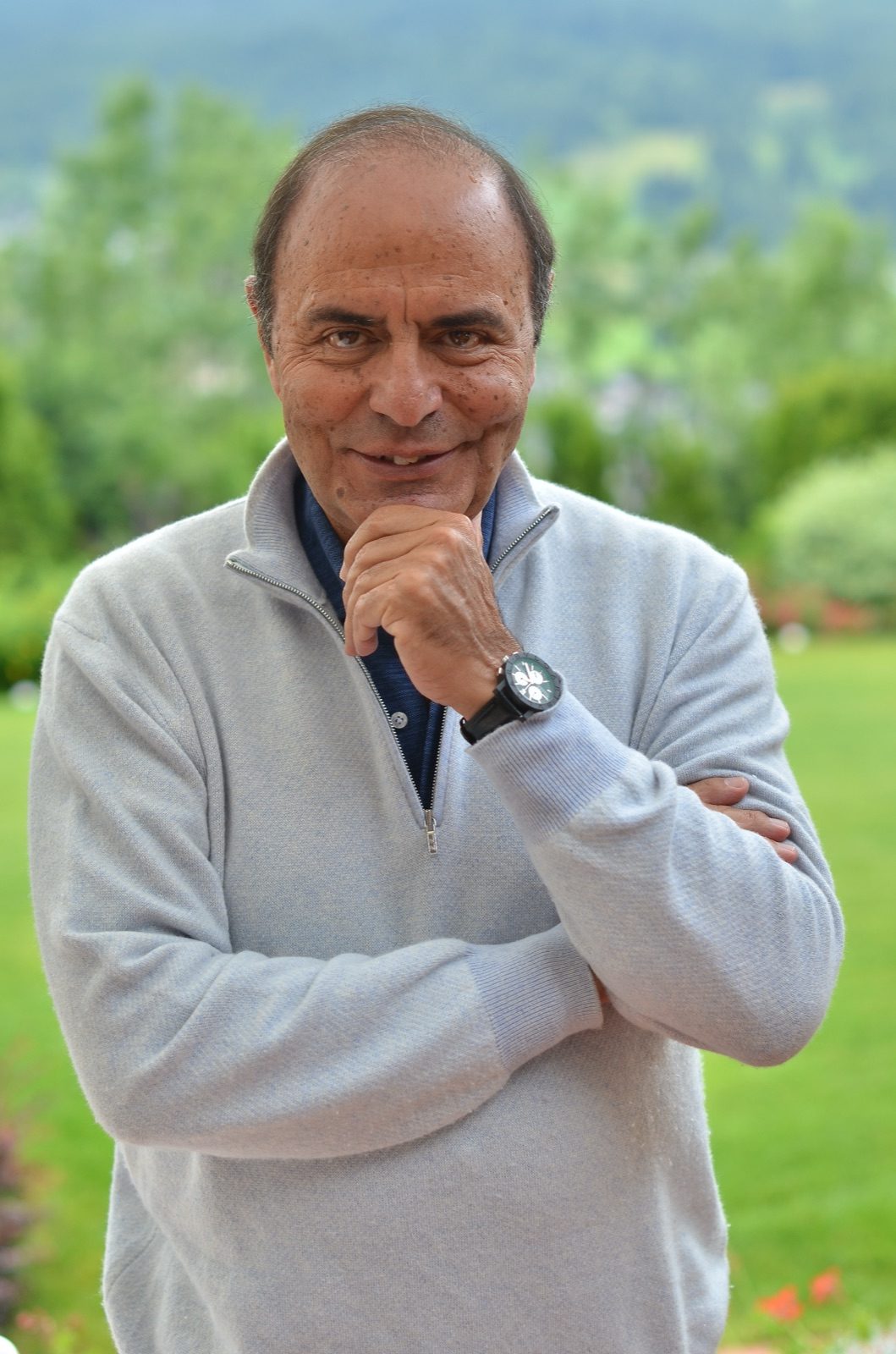
Few people in Italy do not know Bruno Vespa, a leading Italian journalist long familiar as an anchor on the national broadcaster RAI. Yet he had a love as old as his broadcasting career: wine.
It began in the 1970s with his friendship with the legendary Italian wine critic Luigi Veronelli. Awakened to wine through Veronelli, the journalist held on to his dream for decades until, in 2014, he finally founded his own winery with his two sons, Alessandro and Federico. Its name says it all — “winegrowers by passion”: Vespa Vignaioli per Passione.
A winery that began in a 16th-century manor
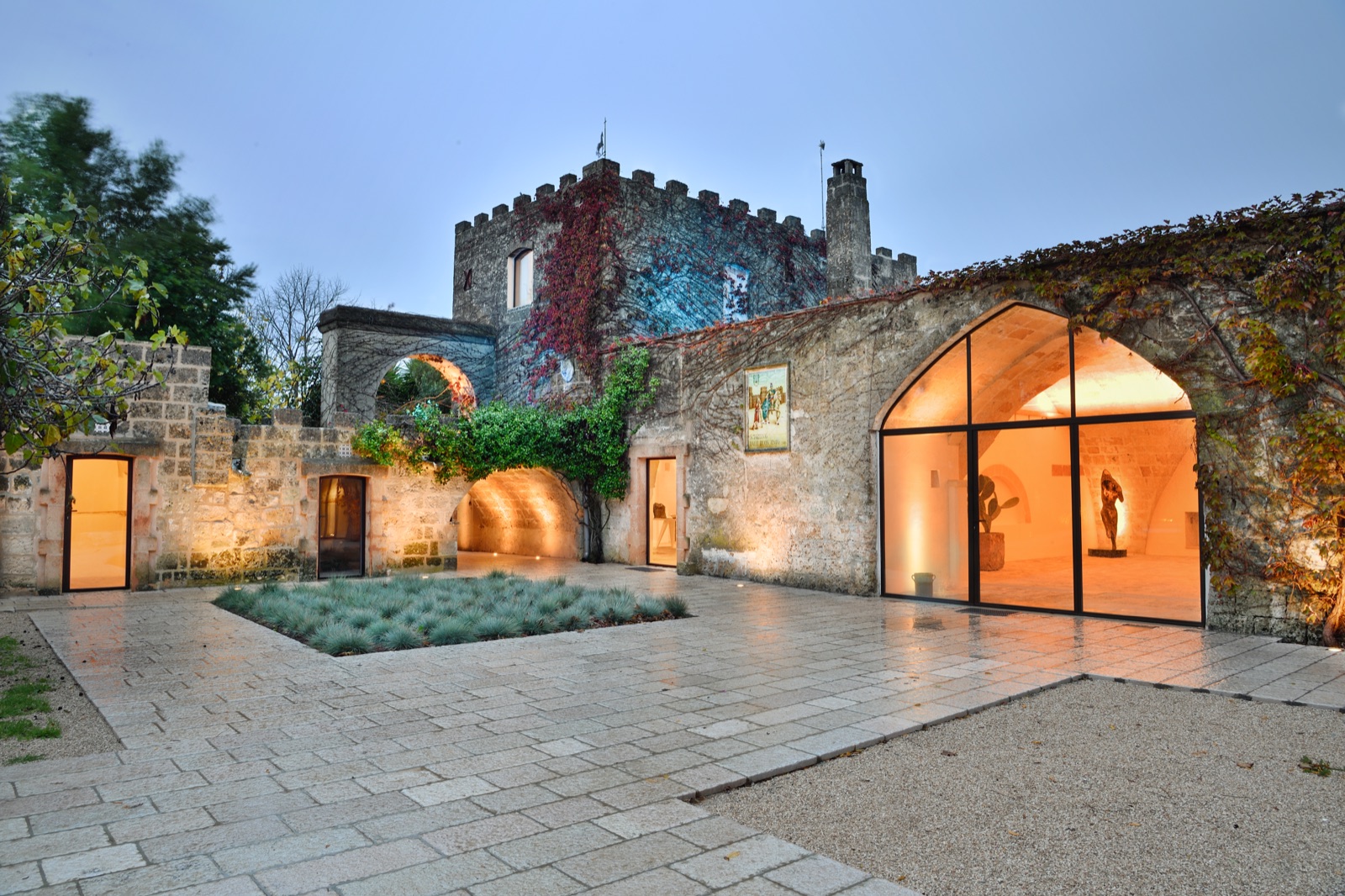
Vespa settled in Manduria on the Salento peninsula of Puglia, the heel of Italy’s boot — a land famed as the home of Primitivo. The family restored Masseria Li Reni, a 16th-century farmhouse manor, as the heart of the winery. The roughly 30 hectares of vineyards around it grow only native southern Italian varieties such as Primitivo, Negroamaro and Fiano.
The touch of a master winemaker
Vespa entrusted its winemaking to Riccardo Cotarella, one of Italy’s most renowned winemakers. Having made his name in Tuscany and Umbria in the 1990s, his goal was clear: to raise the standing of Salento’s native grapes, Primitivo above all.
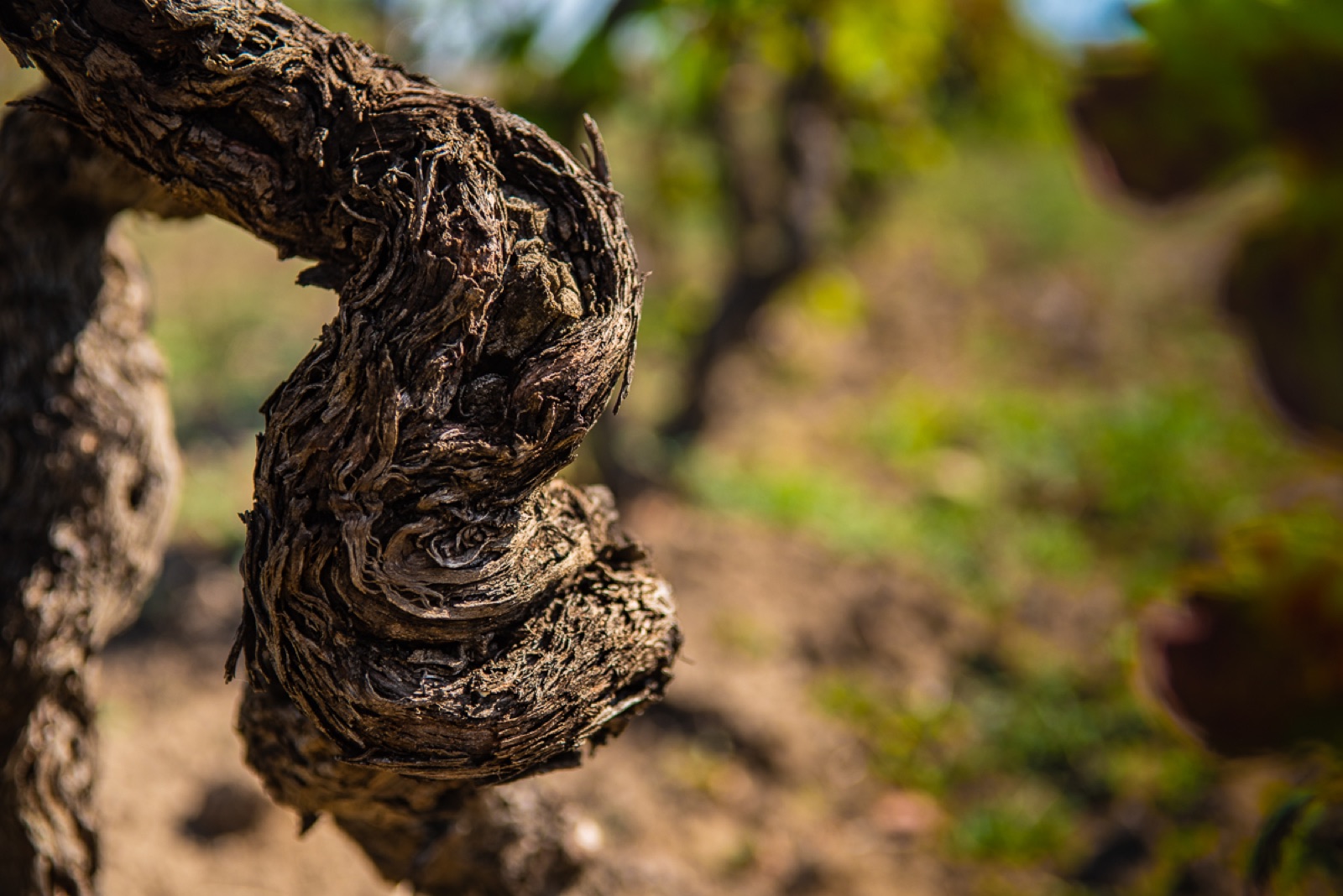
The old vines are still trained as alberello, the old way of growing low bush vines under the Mediterranean sun, while the young vineyards are farmed with modern methods. Tradition and modernity breathe together on one estate.
No more heavy Primitivo: Il Bruno dei Vespa
Primitivo often brings to mind a jammy, sweet, heavy wine. Vespa’s Primitivo is different. Il Bruno dei Vespa, named after the founder himself, is made from 15–20-year-old Primitivo vines on clay soils at 90 metres. Harvested in early September, it macerates on its skins for ten days and ages four months in oak from France’s Nevers and Tronçais forests.
Ripe berries and cherry, dried flowers, vanilla and white pepper bloom, and it glides over the palate like velvet. With lively acidity rather than heaviness, it is a Primitivo that shines at the table.
A white by the sea: Bianca Terra
Bianca Terra is a white made from 100% Fiano. On sandy clay at 40 metres, the grapes are picked in late August in the early morning, before the midday heat. Fermented slowly without skins at 14°C for 20 days and aged four months in stainless steel, it keeps the freshness of the fruit.
White peach, orange blossom and chamomile are followed by a salty, sea-like minerality. Beside seafood, caprese or a vegetable risotto, it brings a Salento summer to the table.
Vespa, as the critics see it
- Il Bruno dei Vespa 2017 — James Suckling 91 points
- Bianca Terra — Ken Gargett 93 points, Bob Campbell 91 points
- Bianca Terra 2019 — Wine Enthusiast 87 points
- Raccontami Primitivo di Manduria 2019 — Gambero Rosso Tre Bicchieri (highest rating), Decanter 90 points
- Raccontami Primitivo di Manduria 2018 — Gambero Rosso Tre Bicchieri
The voice that once delivered the news now speaks for the land of Salento.