Caparzo
A Super Tuscan from a family that helped write Brunello’s history
One of only thirteen
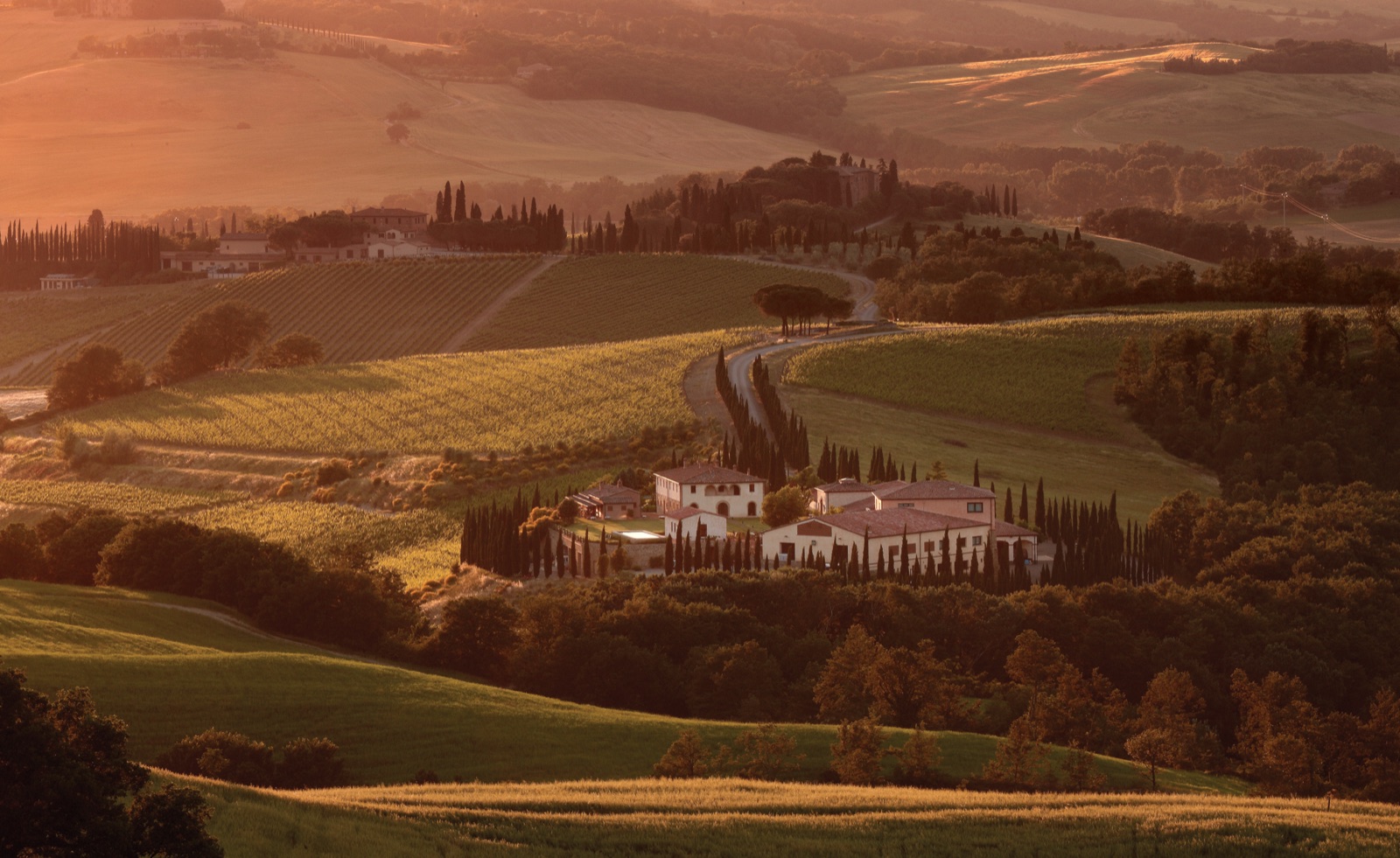
Montalcino, 1970, a hill town in southern Tuscany. Today the very name Brunello di Montalcino thrills wine lovers, but that year only 13 wineries were making it. Tenuta Caparzo released its first Brunello that very year, becoming one of those thirteen names.
Today the Consorzio del Vino Brunello di Montalcino counts Caparzo among the historic wineries that built Brunello’s reputation. It was there from the moment the legend began.
Montalcino’s first “cru”
In 1977 Caparzo made a decision unusual for its time: it vinified the grapes of the La Casa vineyard near Montosoli, with its mix of schist and clay, separately, and bottled them on their own. It was the first appearance in Montalcino of the single-vineyard “cru”, a wine that fully captures the character of one plot.
The Brunello di Montalcino Vigna La Casa born of this vineyard remains Caparzo’s signature wine. Red berries, tobacco leaf, leather and mushroom rise in layers — a Brunello that rewards patience.
The woman who transformed Caparzo
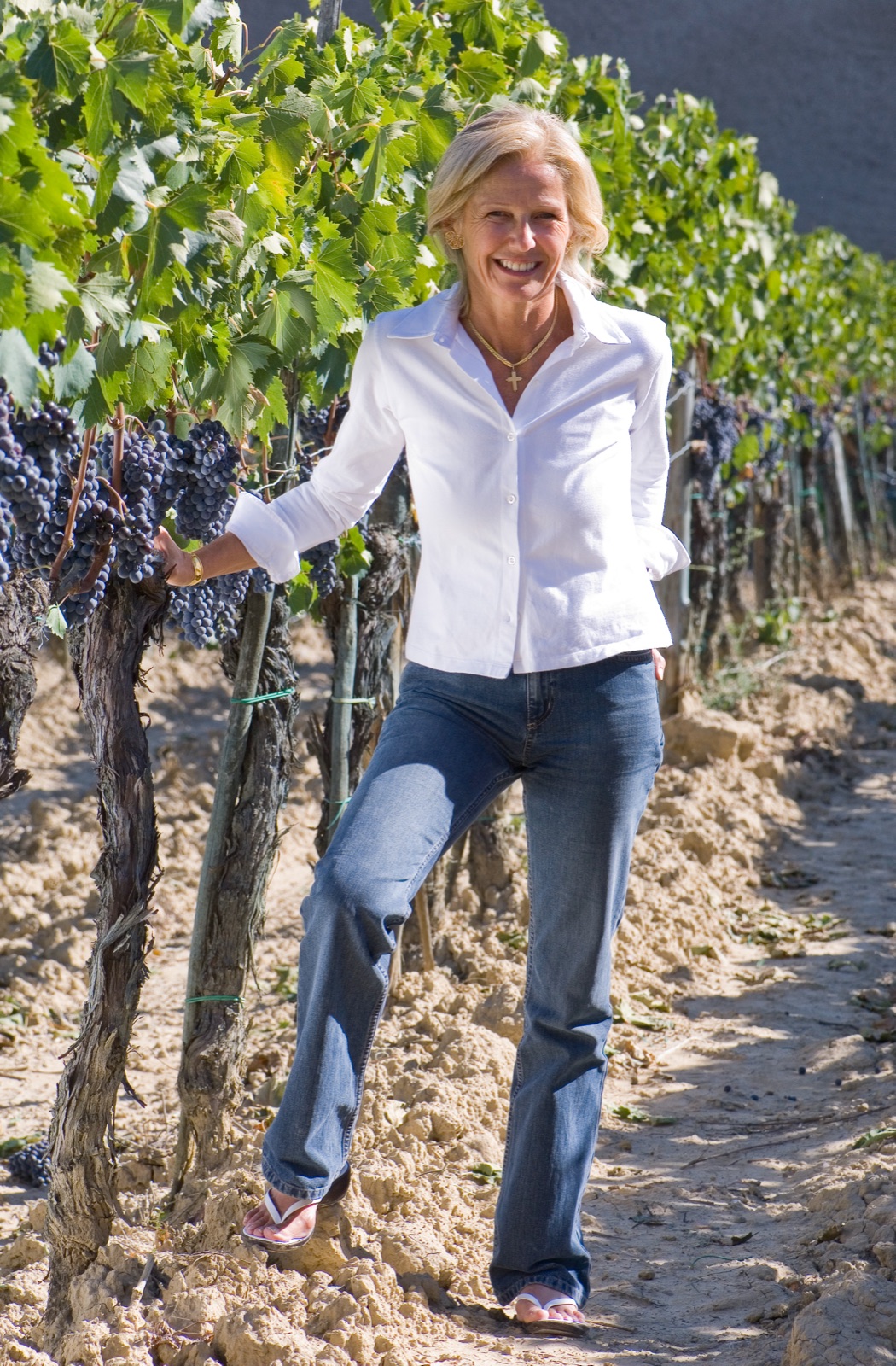
In 1998 Elisabetta Gnudi Angelini acquired Caparzo, and a new chapter began. She replanted vineyards and carefully added land, nearly doubling the original 46 hectares. In 2002 she also took on the neighbouring estate Altesino. The two wineries are run under their own names but work hand in hand to make better wine.
A cellar underground, four hillsides
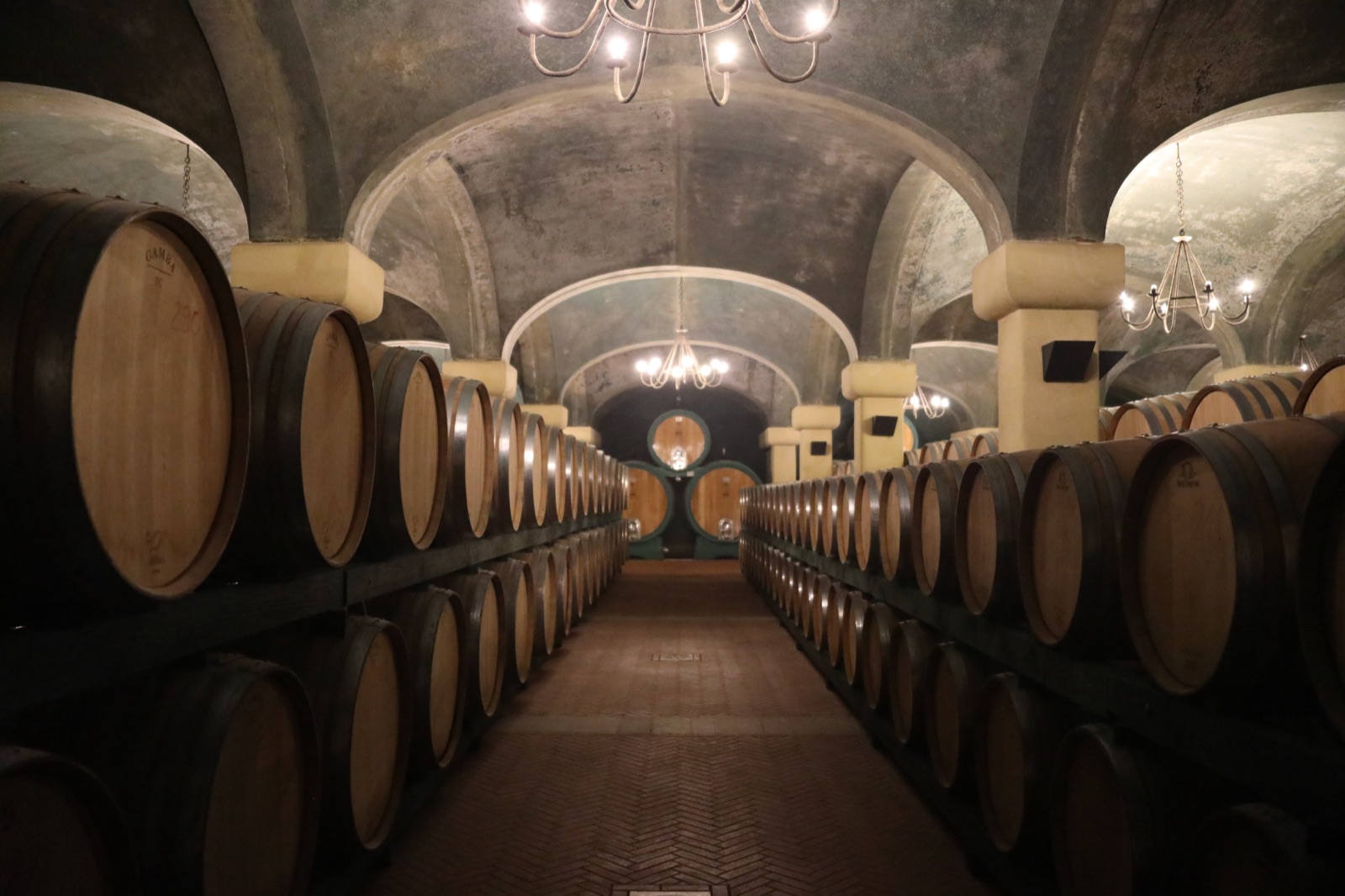
One of Elisabetta’s first projects was a new ageing cellar built entirely underground — one of the most modern in Montalcino, where Brunello spends its time slowly in cool, quiet darkness. Caparzo was also the first winery in Montalcino to install solar panels.
Its vineyards are spread across Montalcino: Caparzo and La Casa to the north, La Caduta to the west, Il Cassero and San Piero-Caselle to the south. From sandy clay to schist and sandstone, soils and altitudes vary from one area to the next, and together the grapes of these four zones capture many faces of Montalcino in a single bottle.
Another masterpiece of the same family: Borgonero
Elisabetta’s family has another treasure in the Chianti Classico area: Borgo Scopeto in Castelnuovo Berardenga near Siena. For centuries it belonged to the noble Sozzini family of Siena, and every label bears the estate’s old watchtower.
First released in 1998, Borgonero is a Super Tuscan from the estate’s Caliano and Vittoria vineyards at 400–450 metres. Sangiovese is joined by Cabernet Sauvignon, Merlot and Syrah, each fermented separately and then brought together. Black cherry, blackberry and plum bloom generously, with firm structure, supple tannins and a long finish. Italian wine given the power of French varieties — it calls for grilled meat, truffle dishes and aged cheese.
A name the critics noticed first
- Brunello di Montalcino Vigna La Casa 2018 — James Suckling 96 points
- Brunello di Montalcino Vigna La Casa 2017 — Falstaff 95 points, Wine Spectator 94 points
- Borgonero 2020 — James Suckling 92 points
- Borgonero 2015 — James Suckling 92 points, Mundus Vini 2018 Gold
- Borgonero 2011 — Wine Enthusiast 94 points
Discover the story through Borgonero, a Super Tuscan from the family that helped write Brunello’s first chapter.