Boutinot
From a single van to bottling the south of France
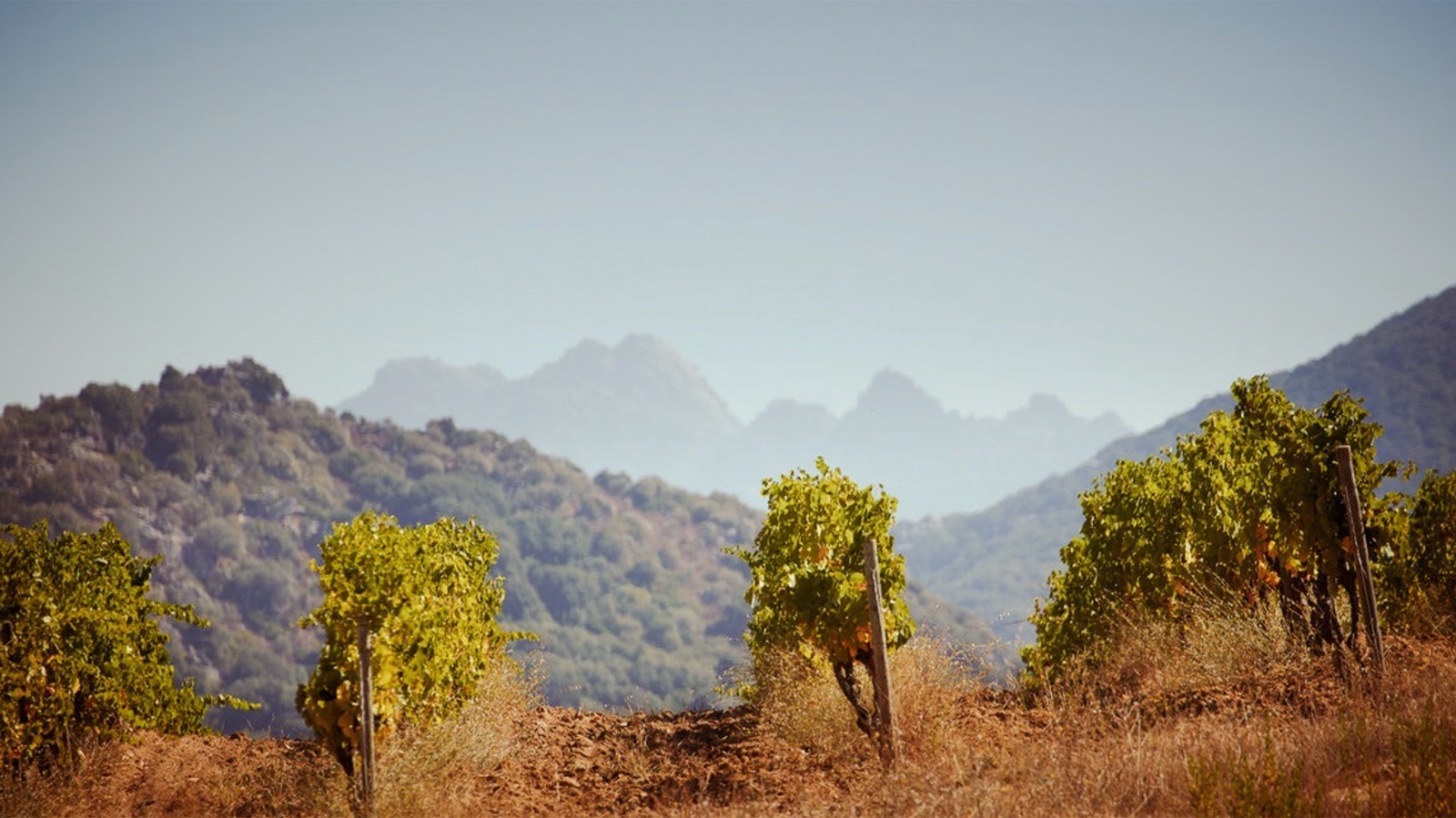
A wine company that began with one van
In 1970s England, Paul Boutinot, working in his parents’ restaurant, was never satisfied with the wine on the table: what was available in Britain fell far short of his expectations. So he drove a van to France himself, chose the wines he liked and brought them back.
In December 1980, Boutinot opened its doors in Stockport near Manchester. “Put good wine on the market at a fair price and people will always look for it.” On that one simple belief, a company of one man and a van grew into one of Britain’s leading wine companies. Today Boutinot handles more than 1,700 wines and sells over 44 million bottles a year.
From choosing wine to making it
Boutinot did not stop at choosing other people’s wines. From 1990 it began making, bottling and labelling its own.
Today it has a winery and vineyards on the hills above the village of Cairanne in the southern Rhône, and tends its own vineyards in England, South Africa and New Zealand as well. It works with many growers, from large cooperatives to small family farms, and its own winemakers oversee every blend. There is one rule: “We don’t bottle wine we wouldn’t drink ourselves.”
The clever cat: Le Petit Chat Malin
The friendliest way to meet Boutinot’s south of France is a cat. Le Petit Chat Malin means “the clever little cat”. Made from Languedoc grapes grown near the sea at varying altitudes, it captures the midday sun as fruit and the cooler air as freshness.
The Blanc is Grenache Blanc with Marsanne and Roussanne; malolactic fermentation is blocked to keep its acidity, so tangerine and peach stay bright and fresh. The Rouge blends Grenache, Syrah and Carignan, with red fruit and gentle spice in soft harmony. A charming label and an unpretentious taste — a wine for any table.
Mountains beyond the shutters: Les Volets
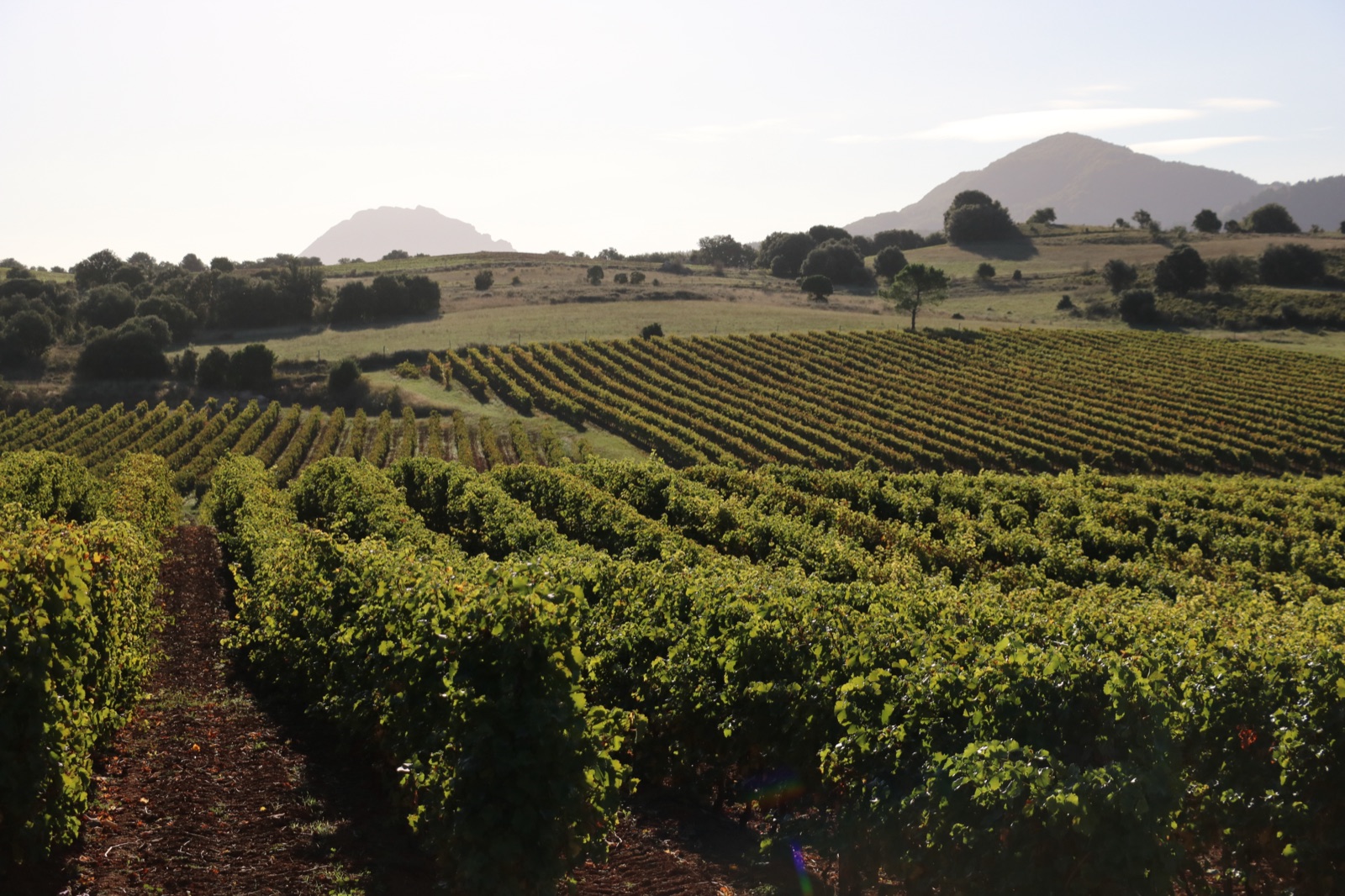
Les Volets means the wooden “shutters” on every window of a southern French country house. The Chardonnay and Pinot Noir come from the Haute Vallée de l’Aude in the foothills of the Pyrenees. Between the Atlantic and the Mediterranean, its altitude brings wide swings between day and night temperatures and cool winds, so the grapes ripen slowly and long. That is why Burgundian varieties keep their elegance even in the southern sun. Both wines are mostly hand-harvested and certified HVE3, the highest level of France’s sustainability certification.
The Cabernet Sauvignon grows in the Côtes de Thau, right beside the Mediterranean on the Bassin de Thau lagoon. The water tempers the summer heat, so freshness survives within the deep black fruit. Six months in oak add structure.
The Chenin that might have been Crémant: La Lisse Soie d’Ivoire
The same Haute Vallée de l’Aude is home to a rather special Chenin Blanc. Chenin here is said to have been planted originally for the sparkling Crémant de Limoux. Boutinot leaves the grapes on the vine much longer than for sparkling wine, ripening them fully while keeping the acidity of the cool hills.
The result is La Lisse Soie d’Ivoire, “smooth ivory silk”. Mostly aged in stainless steel, with a portion in well-used French oak, it wraps quince, pear and white peach in a creamy texture.
A name Britain recognised first
- Boutinot — IWSC Distributor of the Year (2019); Harpers Drinks Wholesaler of the Year (2019)
- Boutinot — Sommelier Wine Awards Value Merchant of the Year (2018, 2019, 2020)
- Le Petit Chat Malin Blanc 2020 — Gilbert & Gaillard Gold, Berliner Wein Trophy Gold
- Les Volets Chardonnay 2015 — IWSC 2017 Silver
- La Lisse Soie d’Ivoire 2015 — International Wine Challenge (IWC) Bronze
Good wine at a fair price. The promise that began with one van lives on in these three bottles.