
Fontanabianca
Barbaresco born at the white spring of the Bordini hill
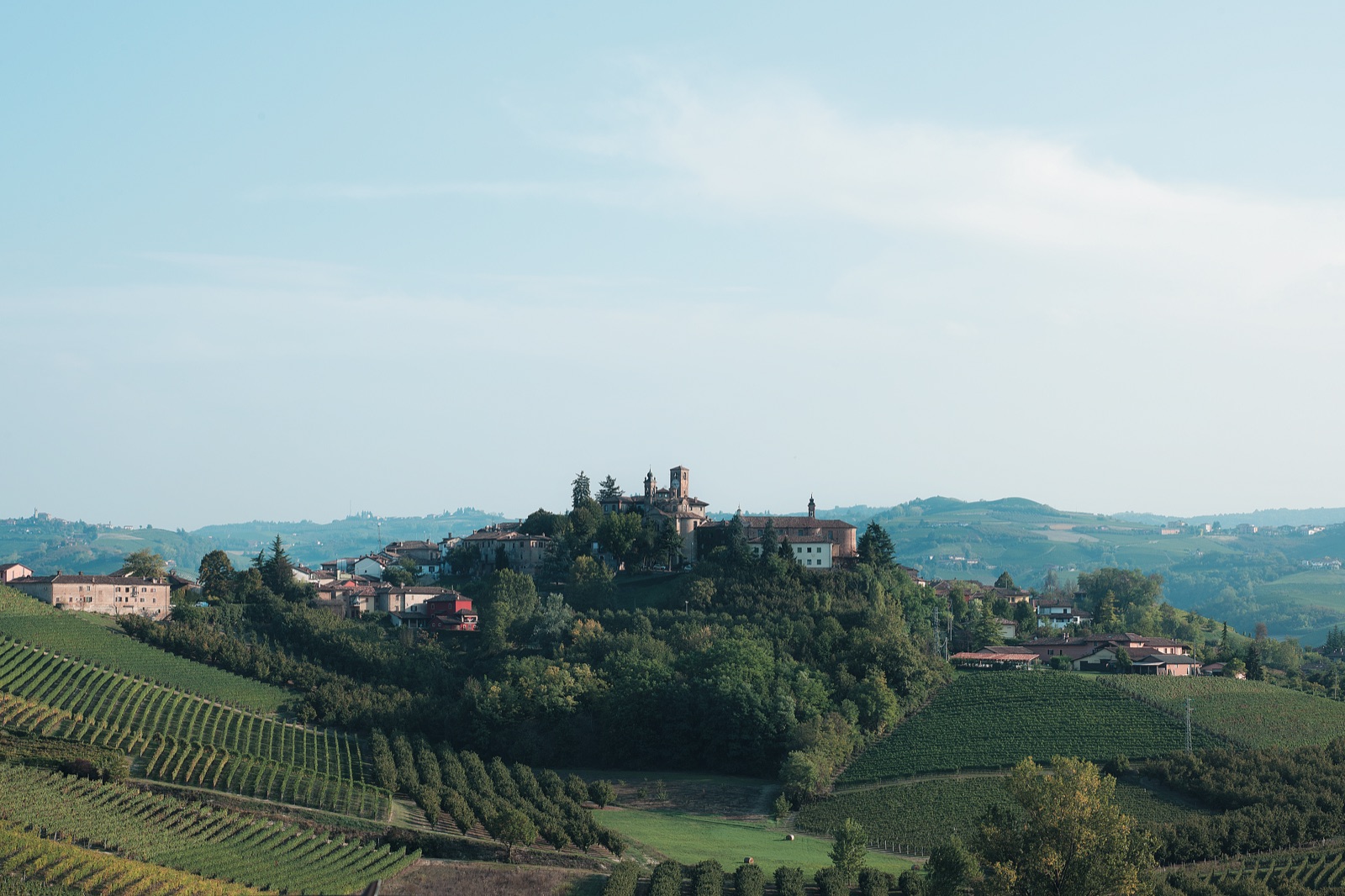
The spring where villagers drew water
Neive, in Piedmont’s Langhe, is one of the four villages that make Barbaresco. In its small hamlet of Bordini there was once a spring, where villagers watered their animals and drew water for daily life. The winery takes its name from it: Fontanabianca, Italian for “white spring”.
In 1969 Franco Pola turned the land his father Secondo had farmed as an ordinary farm into a winery. The first wine he bottled under his own name the following year was Barbaresco Bordini, named after the hamlet where the winery stands.
A family wine across three generations
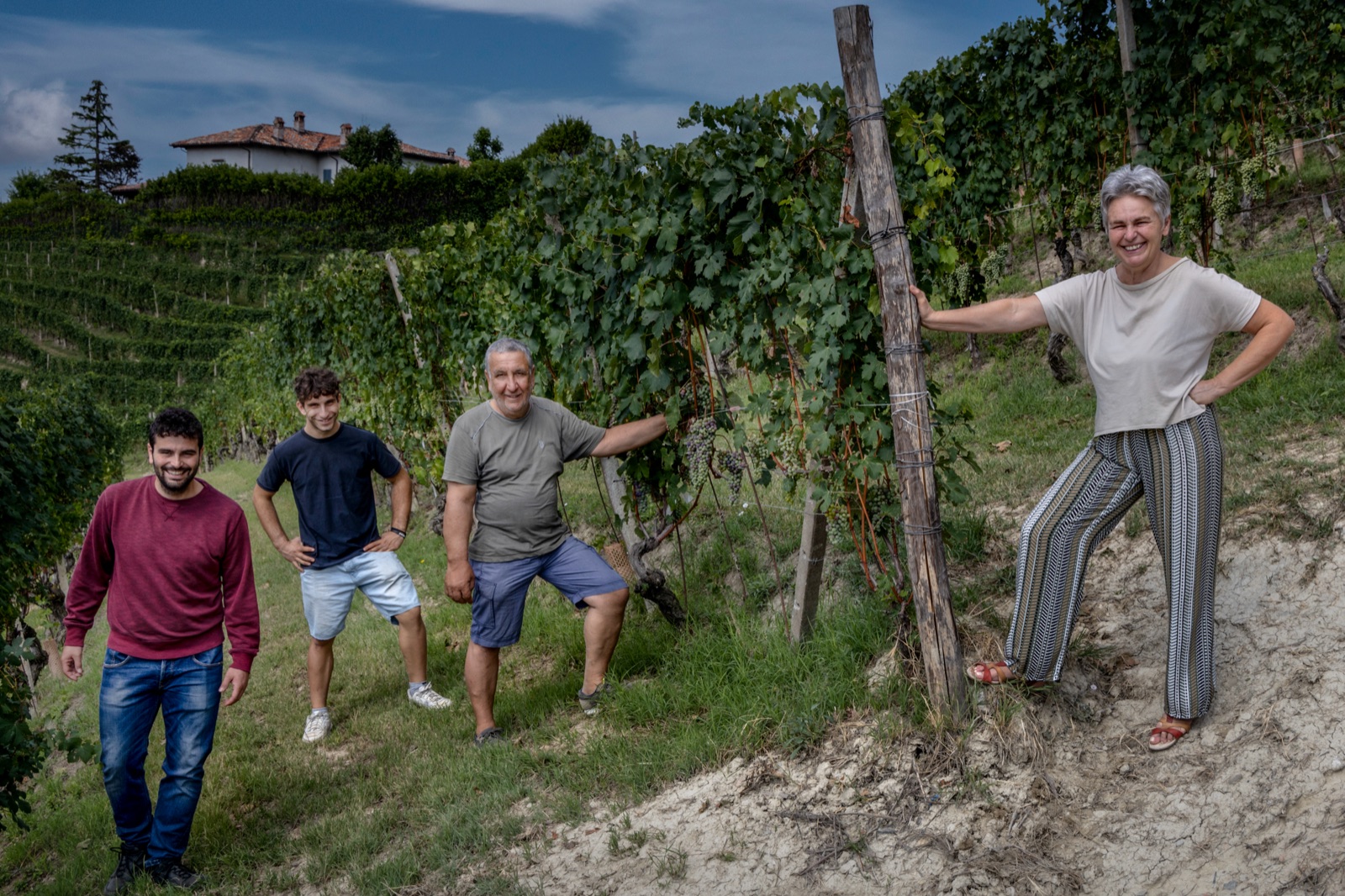
At first, most of the business was selling grapes and bulk wine. When Franco’s son Aldo Pola took over in the 1980s, Fontanabianca began to make its name with its own bottled wines. Today Aldo, his wife Luisella and their son Matteo Pola, the third generation, run the winery together. Matteo left his job at a research institute in Alba to devote himself to the family business, and the youngest, Francesco, is studying winemaking and preparing to join.
This is why VINOFOLIO has called Fontanabianca “a hidden gem of Barbaresco”. It is a family winery with a short history, begun in 1969, yet the quality of its wines stands comparison with any great house.
The golden cru: Bordini
Bordini is one of Neive’s most prized crus. On a south-facing hill at around 300 metres lie white soils of limestone mixed with clay, and on the slopes the sun reaches first, Nebbiolo ripens slowly. This land gives its wines both delicate elegance and a firm backbone.
Barbaresco Bordini comes from old vines of 50–60 years. Even the standard Barbaresco is harvested from vines averaging 30 years. The older the vine, the fewer grapes it bears — and the deeper the flavour each bunch holds.
The taste of the grape, kept in the bottle
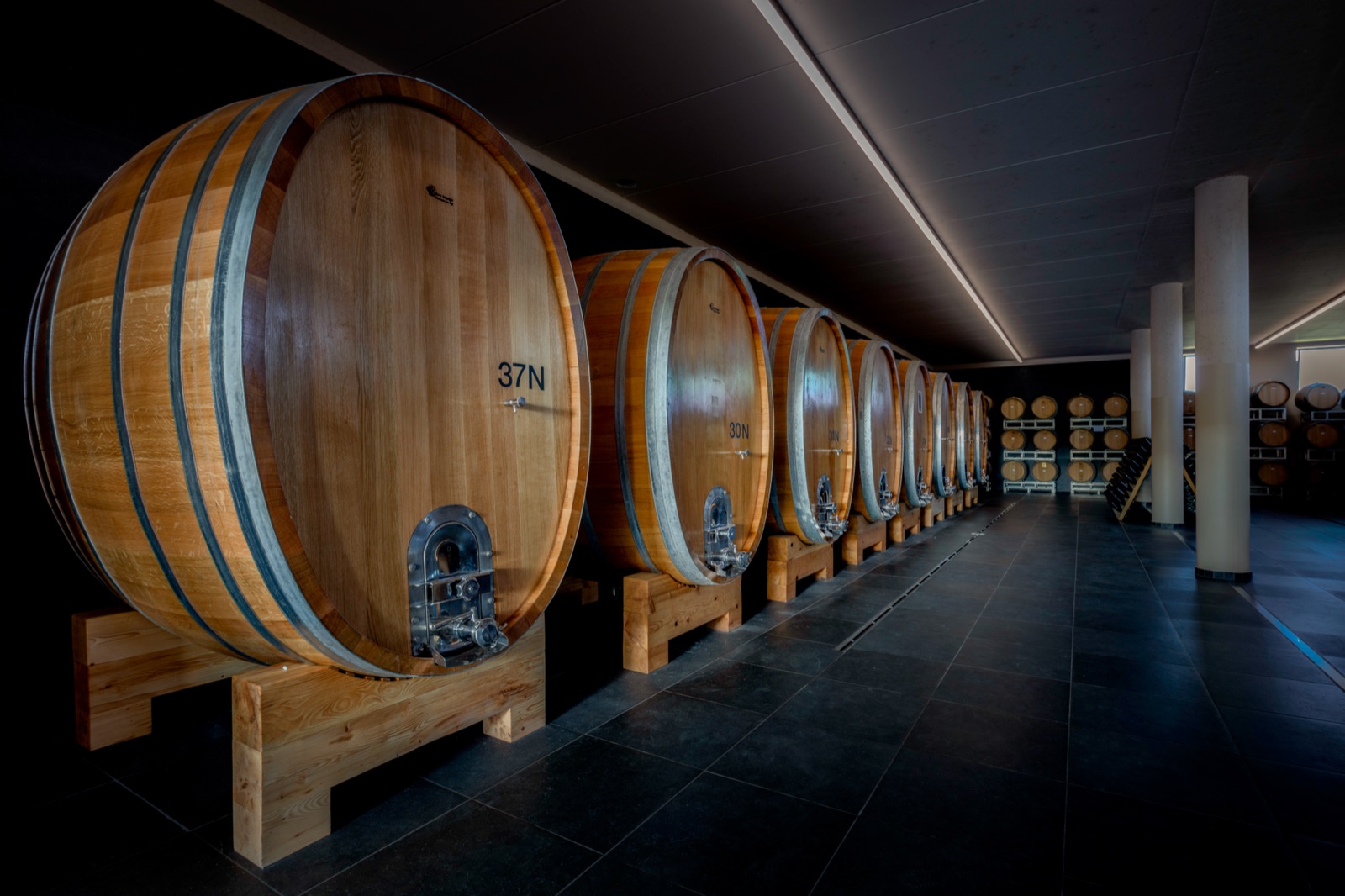
Fontanabianca’s motto is a single sentence: “Keep the taste of the grape in the wine.” Fermentation takes place in temperature-controlled stainless steel, and large casks or small barriques are chosen to suit each wine for ageing — a balance between tradition and technique.
With Matteo’s generation the focus has shifted even more firmly to the vineyard: do things well there, and there is less to fix in the cellar. Herbicides were stopped completely in 2013, and in 2016 the winery joined The Green Experience, a group of Piedmont producers committed to sustainable farming.
Neive in a bottle
In the end, Fontanabianca’s wines tell the story of one village. The Barbaresco approaches with elegance — violets, red cherry and velvety tannins — while Bordini adds a deeper weight wrapped in a soft texture. The Langhe Nebbiolo, freshened by six months in large casks, and the Barbera d’Alba, with peach and cherry and vivid acidity, are the Fontanabianca to enjoy every day.
A family winery that surprised the critics
Gambero Rosso awarded Tre Bicchieri to Fontanabianca’s cru Barbaresco twice early on, and in recent years the critics’ scores have climbed even higher.
- Barbaresco Bordini 2019 — Wine Enthusiast 96 points, selected for the 2022 Top 100 Cellar Selections
- Barbaresco Bordini 2019 — Wine Advocate 95 points
- Barbaresco 2019 — Wine Enthusiast 95 points
- Barbaresco Bordini 2021 — James Suckling 94 points
- Barbera d’Alba 2020 — Wine Enthusiast 92 points
A small winery named after a village spring is now one of the names to watch in Barbaresco.